WORK
Building desire before the homes were built.
Selling a finished home is one thing.
Selling six of them while they’re still being built is something else.
That was the challenge with Little Hollow, a £6m+ development of six homes in the Worcestershire countryside.
Robert Pritchard needed more than a logo. He needed the development to feel desirable before buyers could properly experience it. It had to look premium enough for the audience, distinctive enough to be remembered and credible enough to give people confidence in what was still, at that point, largely a promise.
The brand had some heavy lifting to do.
Making the promise feel real
Robert and I had worked together before, so there was already trust between us. That made the project genuinely collaborative. He knew the property market and the development inside out. My job was to help turn that knowledge into something people could see, feel and want.
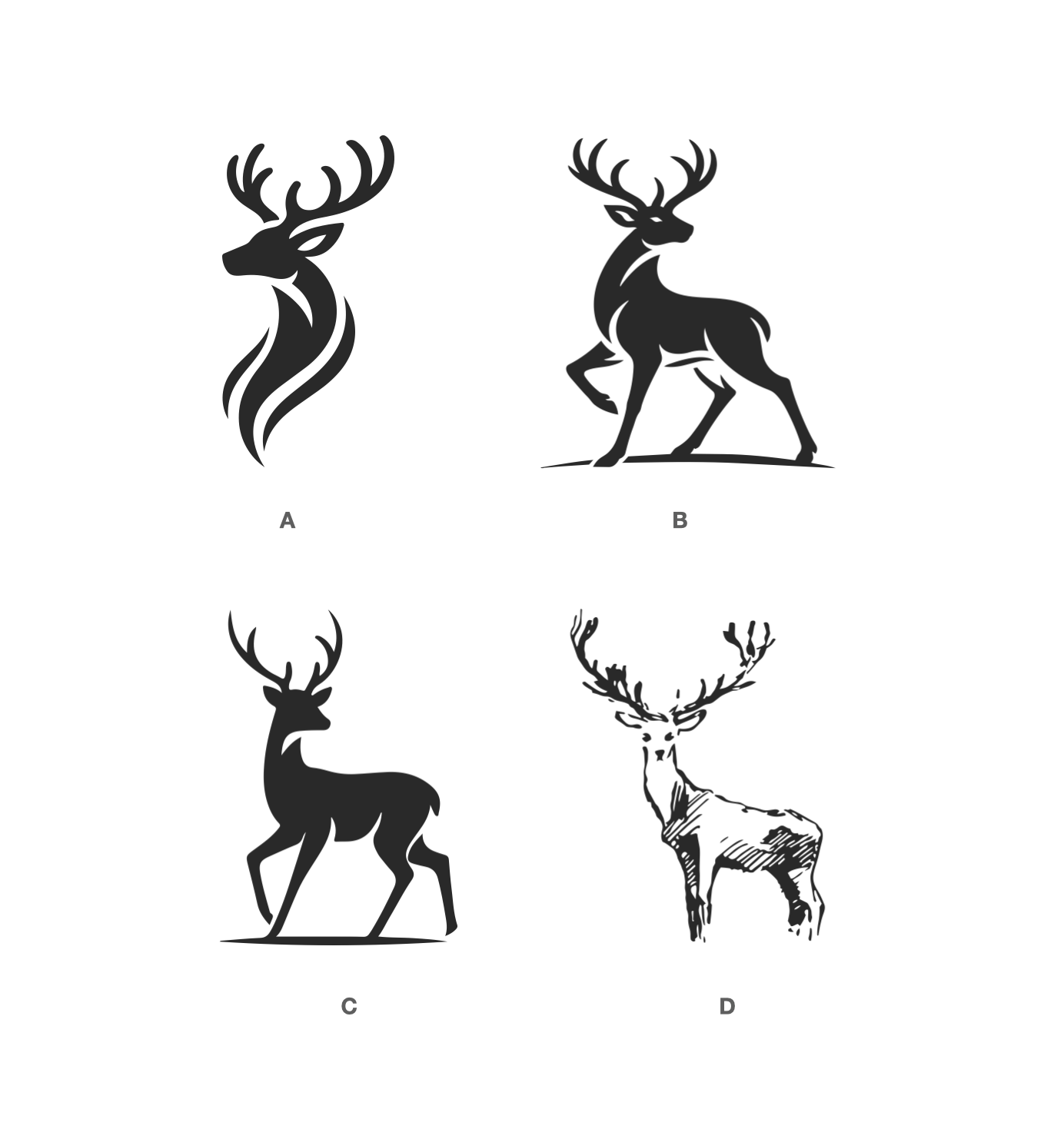
The identity started with one request: a deer.
From there, we explored different marks, typography and visual directions before arriving at something that felt elegant, contemporary and rooted in the countryside without falling into the usual rural-property clichés.
But the wider inspiration came less from other developments and more from the homes our buyers would aspire to live in.
Beautiful interiors. Farrow & Ball. Little Greene. Warm neutrals. Deep blues. Understated quality.
The aim was simple: if the homes were going to feel carefully considered, the brand should too.
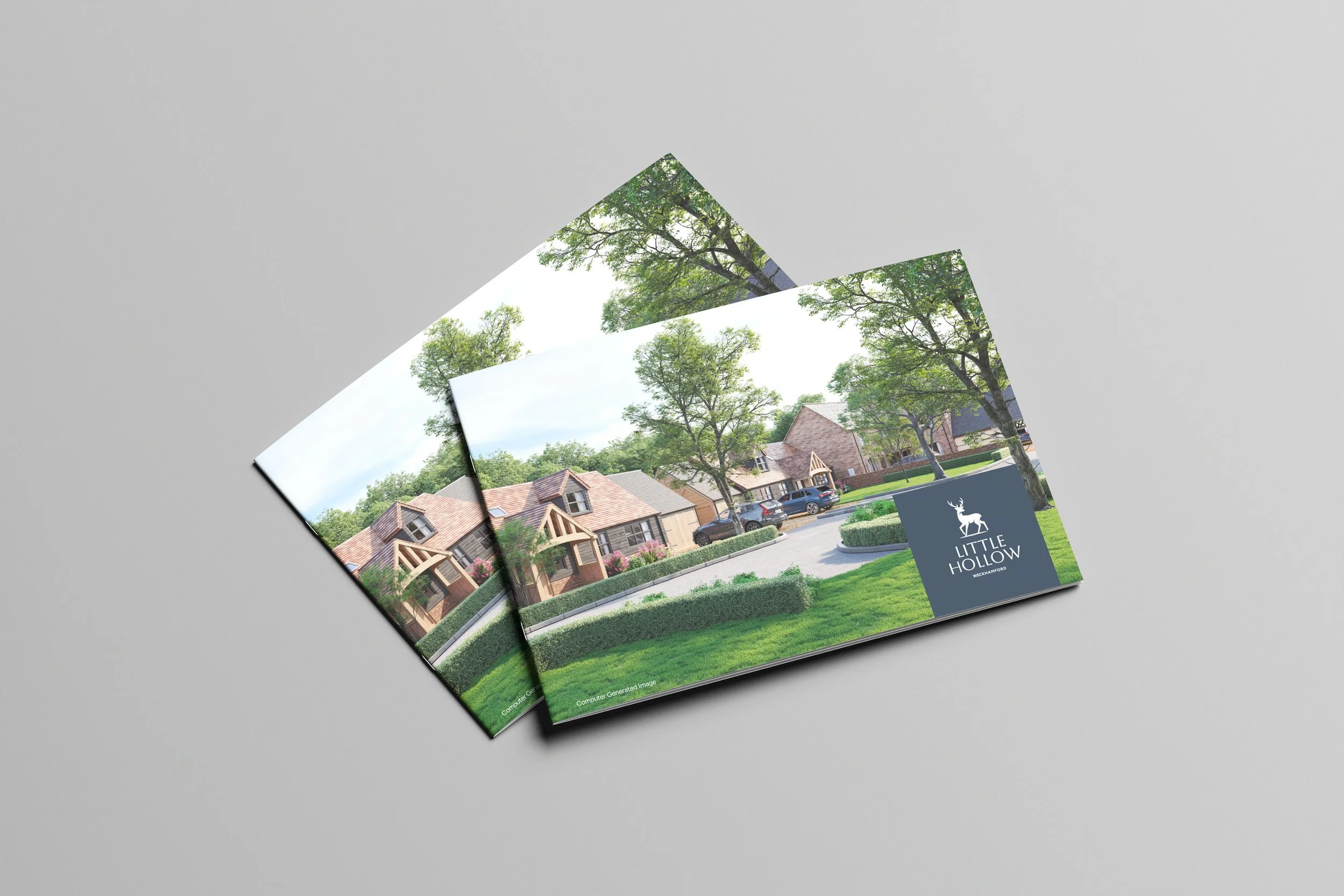
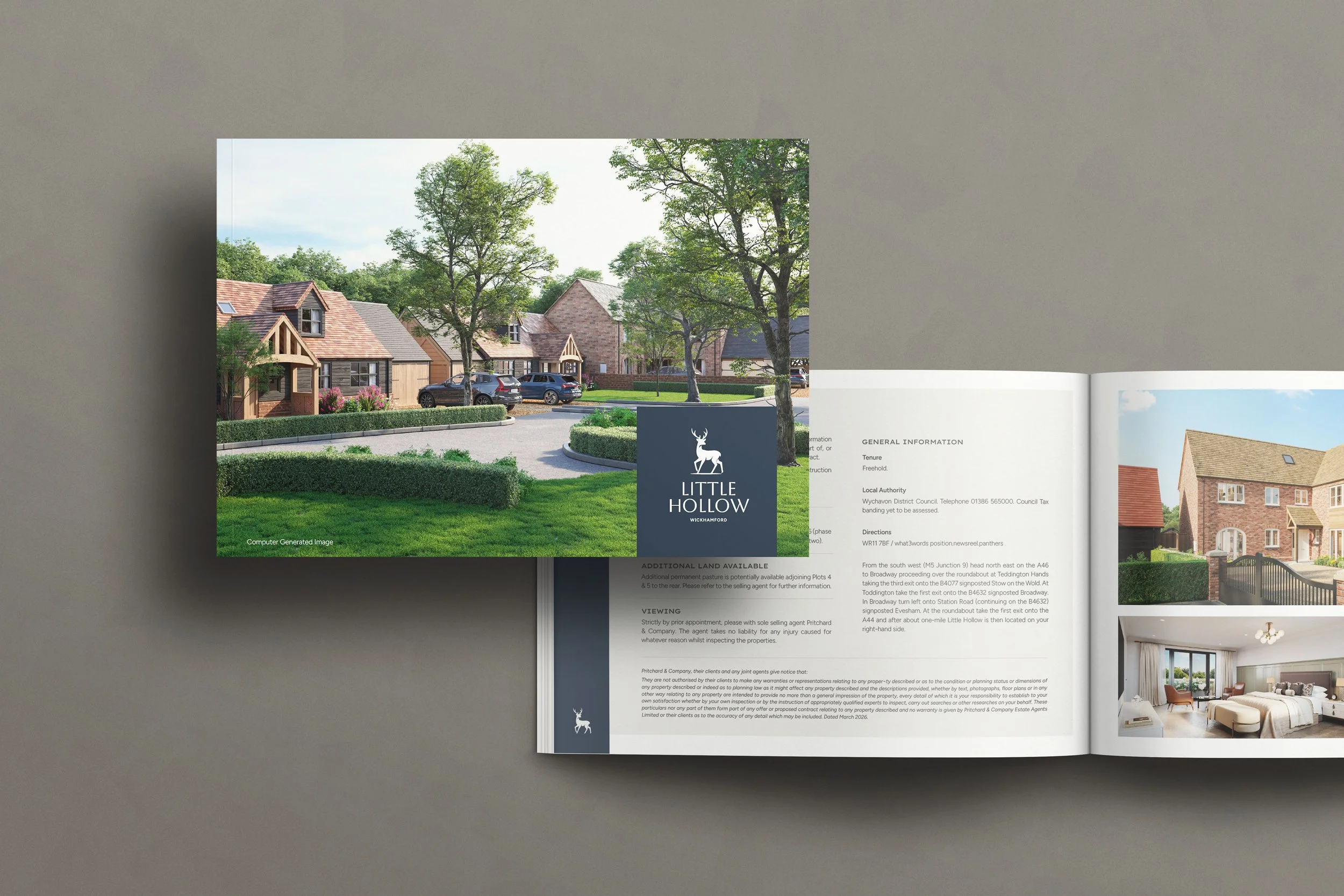
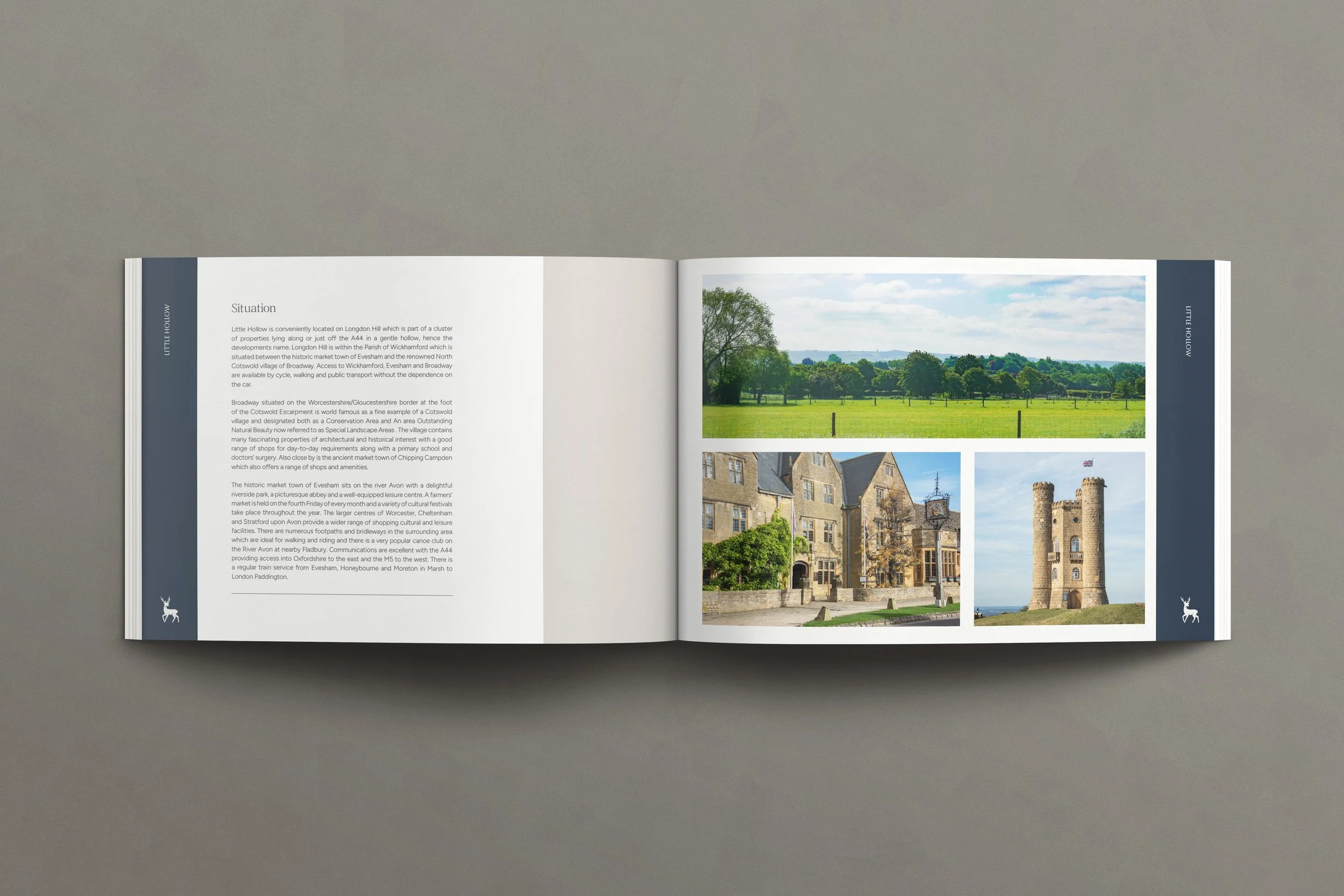
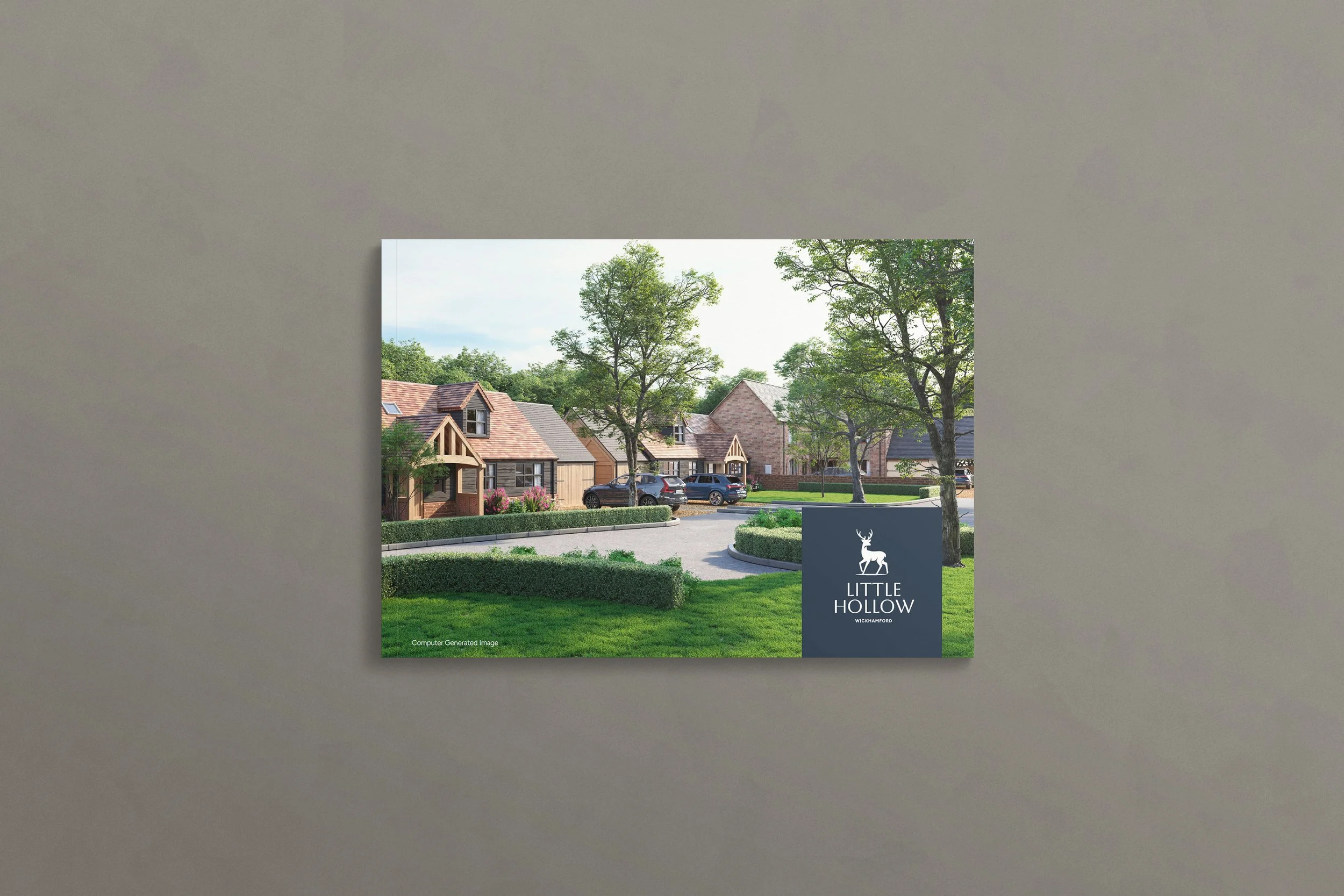
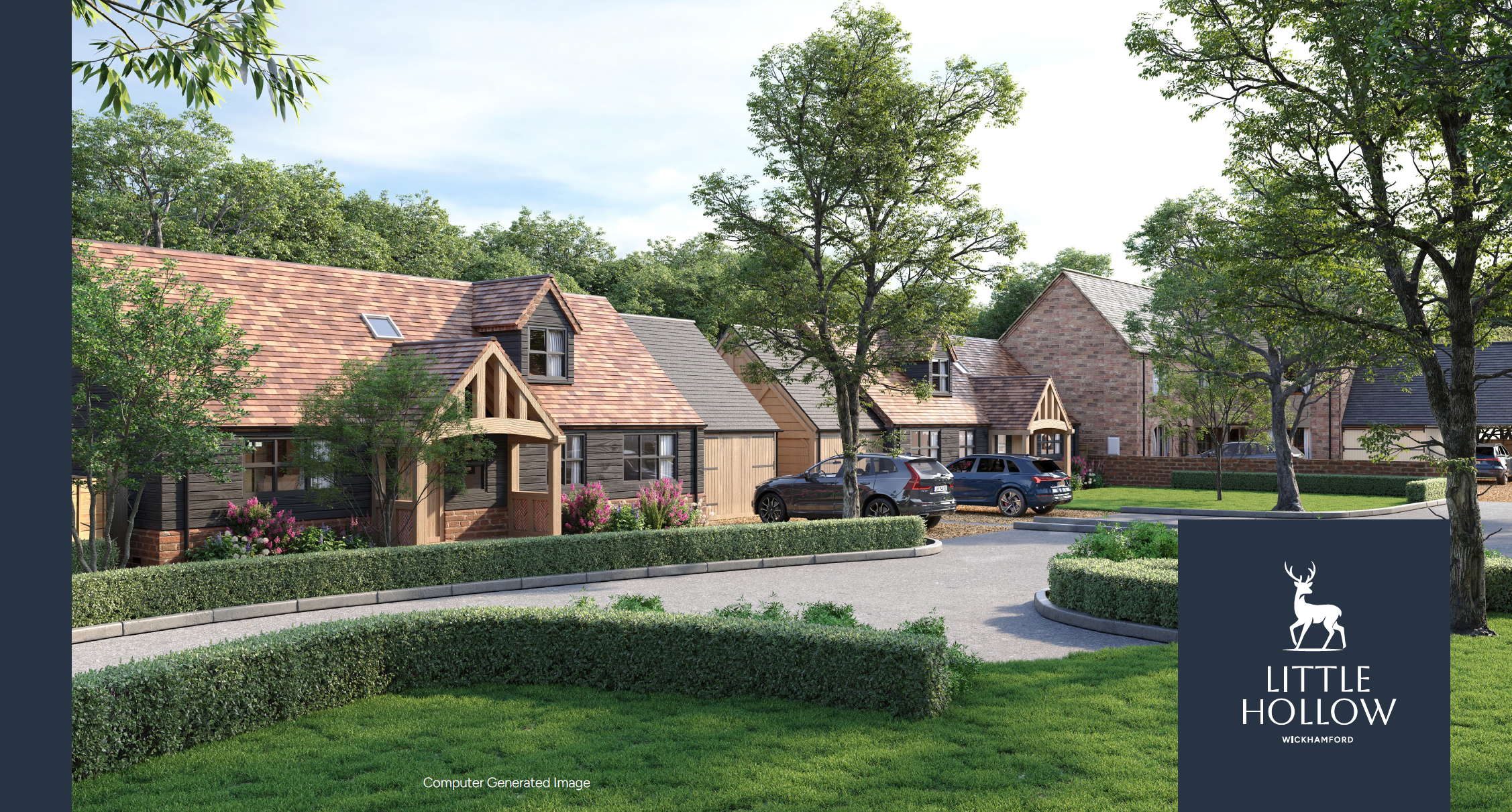
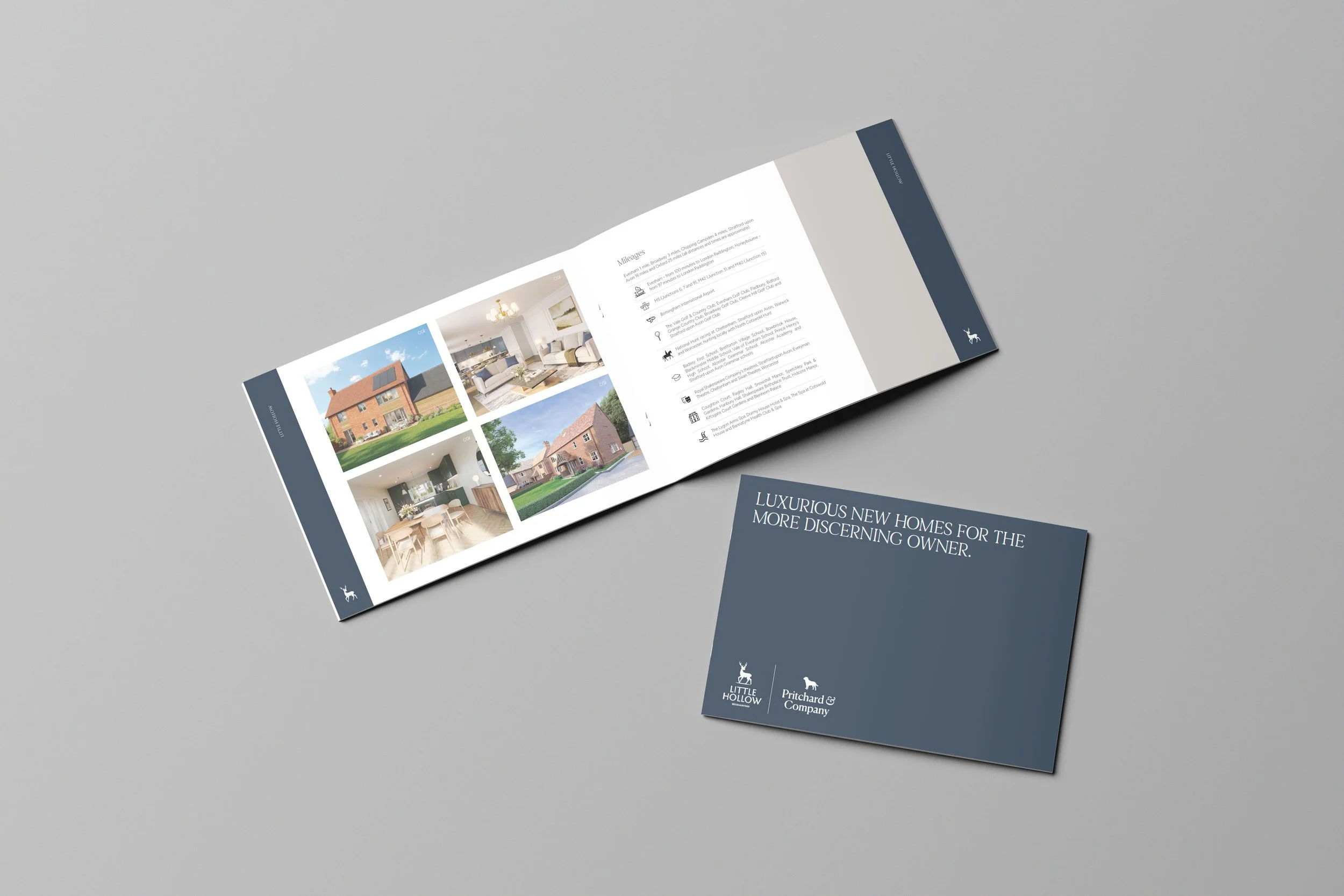
That thinking carried through the identity, naming, stationery, signage and sales brochure. Architectural visualisations, floor plans, specifications and the surrounding lifestyle were brought together in a way that made Little Hollow feel less like a building project and more like somewhere people could imagine calling home.
Good branding should make the marketing easier
Once the identity was working, the conversation naturally moved beyond design.
Because the real question wasn’t just, “Does this look good?”
It was, “How else can we help people want it?”
That led to ideas around anticipation, experience and how buyers interact with the development before making such a significant decision.
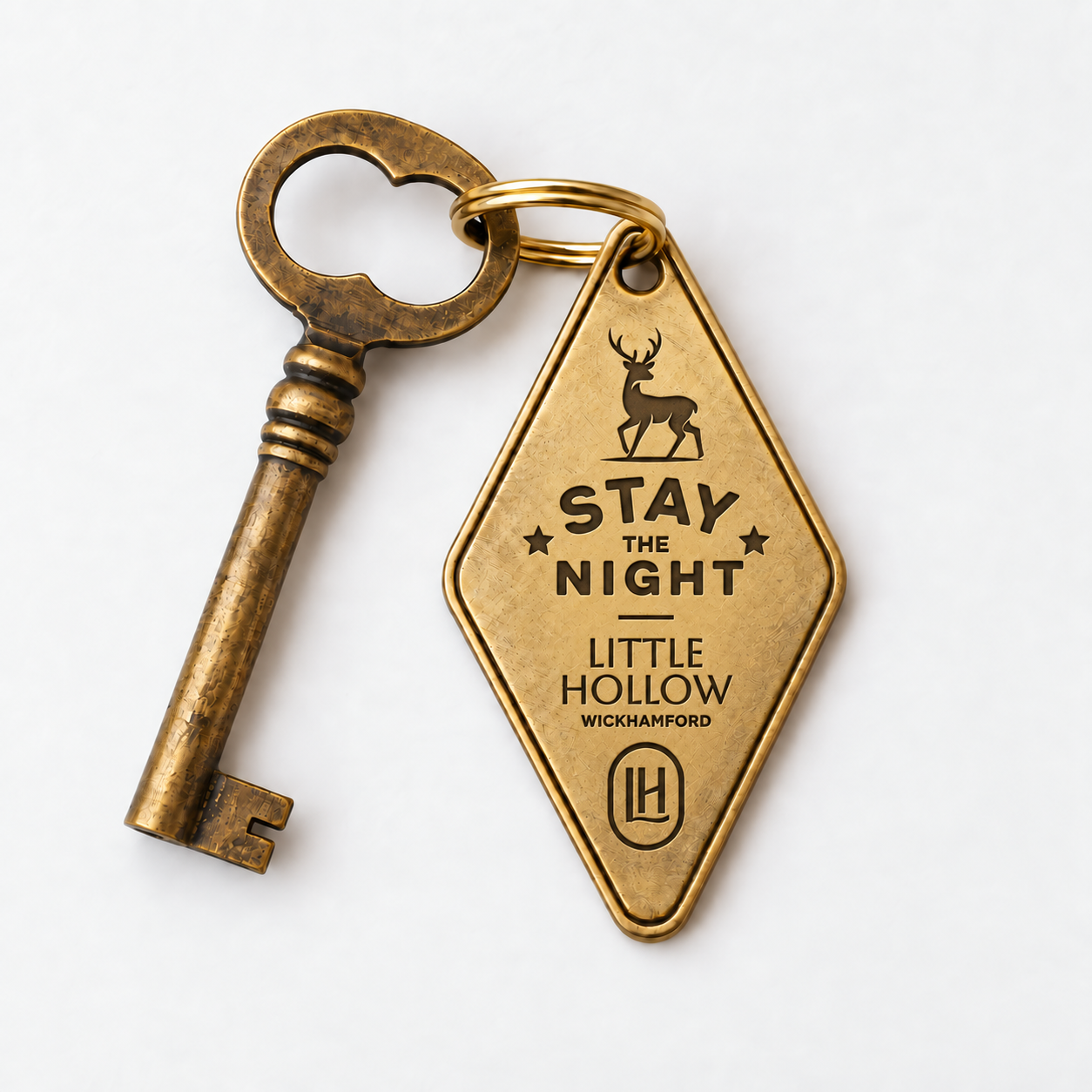
One of those ideas is Stay the Night.
Instead of giving serious buyers another 20-minute viewing, why not let them experience the home properly?
Stay there. Wake up there. Make breakfast in the kitchen. Sit in the garden with a coffee.
In other words, let a property developer borrow one of the best behaviours from hospitality.
It’s an idea Robert loved, and one we’re looking at developing as part of Little Hollow’s marketing.
It also captures the way the relationship has worked. The brief might begin with branding, but the job is really to keep looking for ways to make the development easier to understand, more desirable and ultimately easier to sell.
The result
Little Hollow now has a distinctive identity, a premium sales brochure and a growing set of marketing ideas designed around the way its buyers actually make decisions.
Three of the six homes have already gone.
Just as importantly, Robert has been able to hand over a significant amount of creative responsibility and know that the thinking will go beyond making things look nice.
That’s the role I enjoy most.
Good judgement. Commercial thinking. Creative support. Taking responsibility.
And finding the idea that makes someone stop and think:
I want that.
“Thad is much more than a designer. He quickly understood what we were trying to achieve with Little Hollow and took a huge amount of responsibility off my shoulders.
He brought strong creative judgement, commercial thinking and ideas that went well beyond the original brief. The branding and brochure look fantastic, but just as valuable has been his ability to keep thinking about how we can make the development more distinctive and desirable.
He’s easy to work with, challenges you when it’s needed and feels more like part of the team than an outside supplier. I trust his judgement, which makes the whole process incredibly straightforward.”
Robert Pritchard